
Cateye AMPP 500S Front Light
Front light for mixed lit and unlit stretches
- 500 lm high
- 1.5 h at 500 lm / 3 h at 250 lm / 8 h at 100 lm
- USB-C
By VeloCarry Editorial. Updated: 13 November 2026.
Ad / Affiliate links: VeloCarry may earn a commission if you buy through links on this page, at no extra cost to you.
Winter commuting in the UK means riding in the dark at both ends of the day, often in rain. Lights are also a legal requirement after lighting-up time. Start with the lighting on your route and how long you need a steady beam between charges.
Every light does one or both of two jobs, and confusing them causes most bad purchases:
Our companion guide, how bright should commuter bike lights be?, unpacks lumens, lux and why two "800-lumen" lights can be wildly different in practice.
At night, use a white front light, a red rear light and a red rear reflector. Amber pedal reflectors are required for bikes made after 1 October 1985. The Highway Code recommends a steady front beam where street lighting is absent. Read the Department for Transport lighting guidance for lamp standards and flashing requirements.
These are research shortlists based on published specifications. See all commuter bike lights for tracked prices and source links.
For lit urban streets, being seen matters more than raw power: roughly 100-300 measured lumens front and 20-100 rear is a workable band. Unlit paths need real beam power — see our brightness guide for how to read manufacturer claims, which are not measured consistently.
Yes, with discipline: cold reduces run-time, and commuting in the dark means charging weekly or per-ride. Keep a spare cable at work; riders who forget are the main reason battery lights still sell.
Yes. Department for Transport guidance specifies 60 to 240 even flashes per minute. A lamp that only flashes must reach at least four candela. The guidance also explains the standards that apply to lights capable of steady output.
Front light for mixed lit and unlit stretches
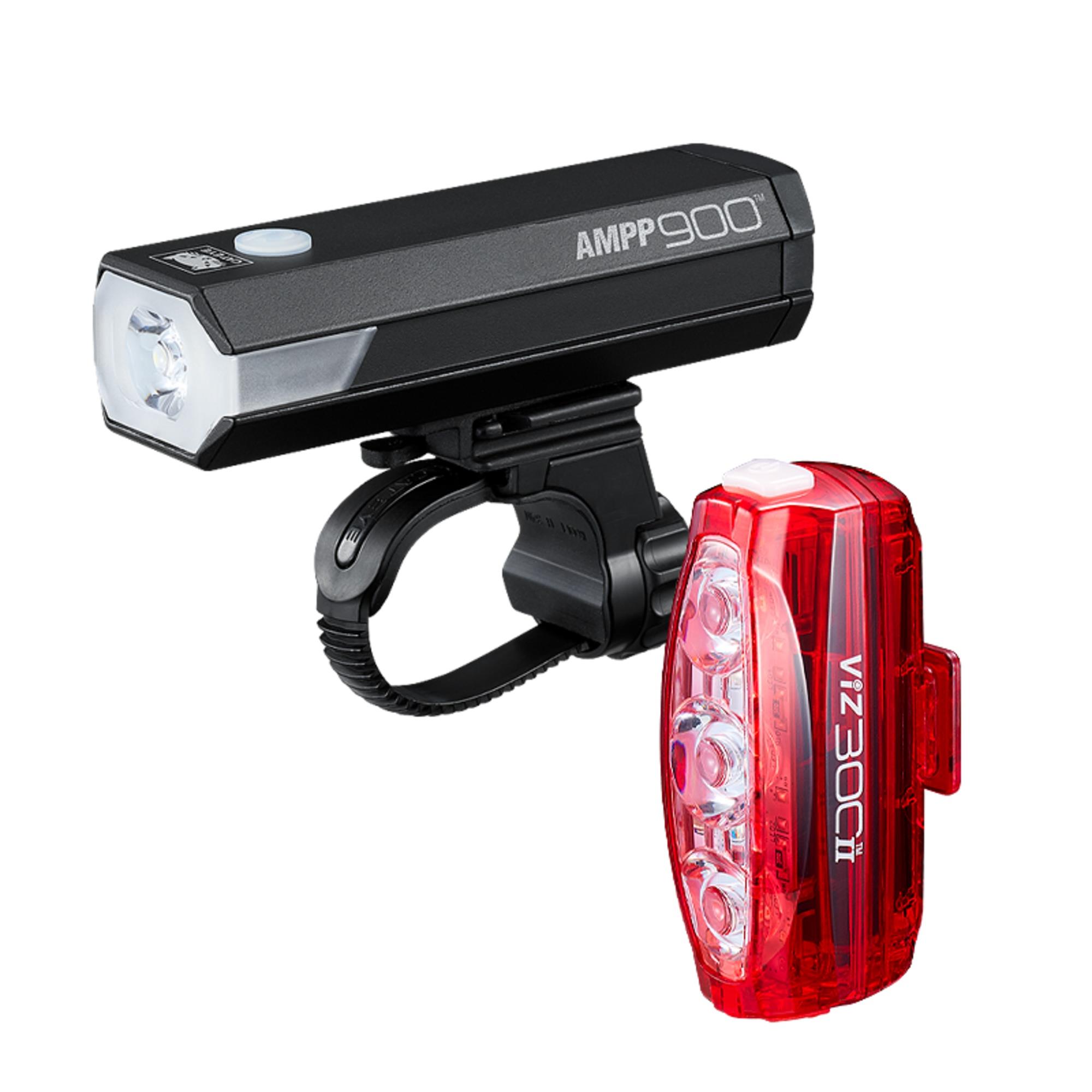
One-box winter commuting setup

Regular unlit-path commuting

Commuters on fast rural A-roads